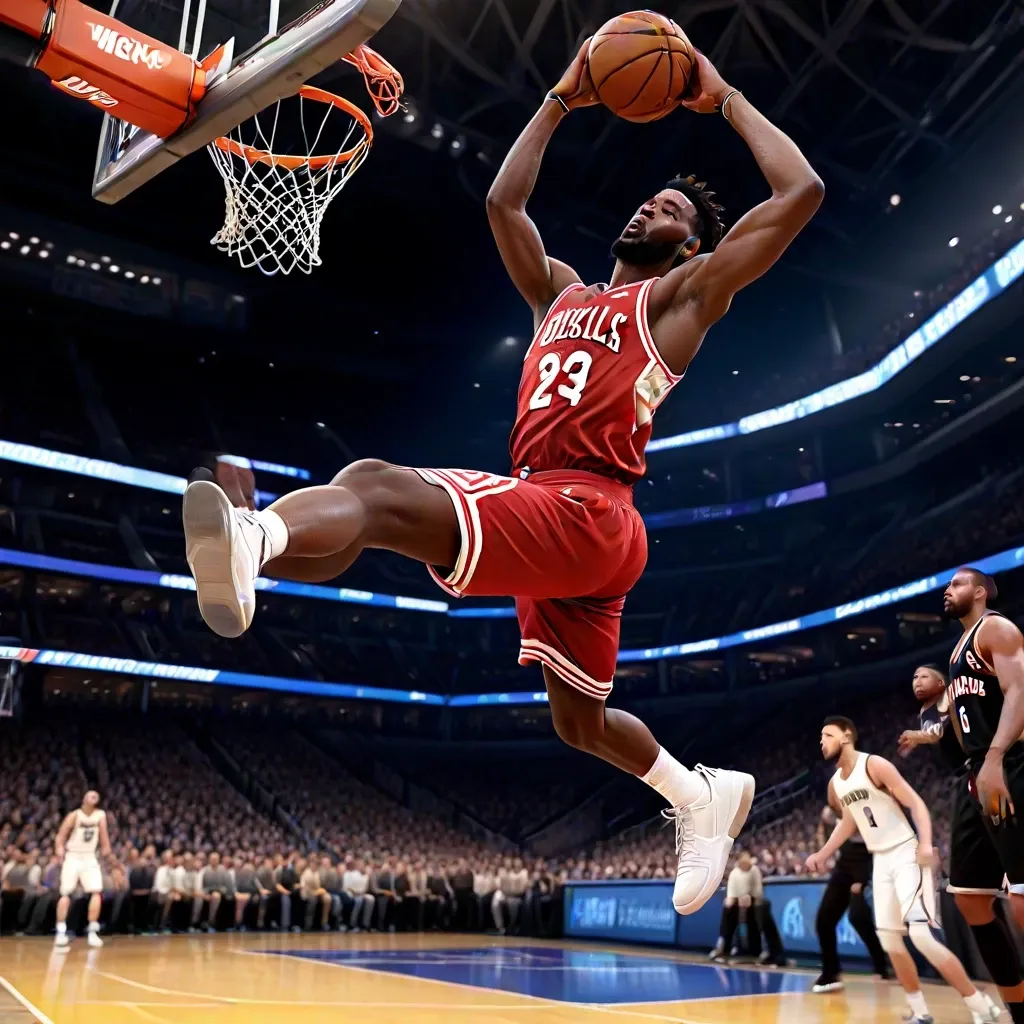
Imagine the roar. Not just a cheer, but a seismic eruption. The kind that rattles your chest and makes the floor vibrate. An NBA player leaps, defying gravity for a heart-stopping moment, then slams the ball through the net with a force that sends echoes through the arena. It’s more than just two points; it’s a statement. A thunderous dunk. The crowd explodes, a wave of pure, unadulterated energy released. The intensity is so high it feels like thunder, shaking the very foundations of the stadium.
These arena-shaking plays, the highlight reel staples, evoke a primal reaction. It’s a display of athleticism, power, and artistry all rolled into one breathtaking moment. But what makes an NBA dunk so captivating? Beyond the pure spectacle, there’s a fascinating blend of physics, strategy, and cultural impact at play. This article will explore the power and influence of NBA dunks by considering every aspect, from the players up to the fans.
The Physics of a Powerful Dunk
The raw athleticism on display during a dunk is undeniable, but beneath the surface lies a fascinating interplay of physics. A successful dunk hinges on maximizing force, momentum, controlling trajectory, and efficiently transferring kinetic energy. These elements, when harmonized, result in a powerful and impactful slam.
The force a player generates is directly related to their mass and acceleration (F=ma). To increase the force, players focus on building muscle mass and explosiveness. Momentum, the product of mass and velocity (p=mv), dictates the “oomph” behind the dunk. Players need to be fast and powerful. The trajectory, influenced by launch angle and initial velocity, determines whether the player gets to the rim. A higher arc allows for more clearance, but a flatter trajectory can increase speed. Each aspect of the dunk is measurable and has some physics behind it.
The concept of conservation of energy is important. The potential energy at the peak height of your jump is converted to kinetic energy as the dunker descends towards the rim. The ultimate goal is to maximize the kinetic energy at the point of impact, resulting in a more emphatic dunk.
Vertical Jump and Takeoff Angle
The vertical jump is the cornerstone of any dunk attempt. Enhancing this ability involves a combination of plyometrics, weight training, and technique refinement. Plyometric exercises, like box jumps, increase explosive power, while weight training builds the necessary strength. Optimizing the takeoff angle is equally crucial. A launch angle slightly forward can translate more horizontal speed into vertical height. Mastering the approach, plant, and jump can add inches to the vertical.
Impact and Energy Transfer
The moment of impact between the ball, the rim, and the backboard releases a lot of kinetic energy. The force of this impact is related to the kinetic energy just before the dunk occurs. This is also related to the rim give. Rims designed with more “give” dampen the impact and reduce the stress on the backboard and the player’s wrists. Understanding this energy transfer can inform rim design and protective gear, ultimately contributing to player safety and extending the lifespan of the equipment.
Dunk Score: Quantifying the Thunder
The NBA’s Dunk Score is an innovative metric designed to objectively evaluate the multifaceted nature of a dunk. It moves beyond simple visual appraisals, employing data-driven analytics to assess various elements contributing to a successful dunk. Utilizing player-tracking technology, the Dunk Score dissects each dunk into four key sub-categories: Jump, Power, Style, and Defensive Contest. This system offers a granular view, enabling a detailed understanding of a player’s aerial capabilities. This provides scouts, coaches, and fans a new way to analyze the game’s most electrifying plays. By assigning a numerical value to these aspects, the Dunk Score helps in identifying exceptional athletic feats and strategic plays.
Breaking Down the Subscores: Jump, Power, Style, and Defensive Contest
The Jump score evaluates the height and elevation achieved during the dunk attempt.A higher Jump score reflects not only impressive vertical leap, but also efficiency in taking off. The Power score measures the force and explosiveness with which the player finishes the dunk. A high Power score suggests the player can execute dunks through contact or with exceptional force. Style score captures the creativity and artistry of the dunk: more acrobatic or visually appealing dunks are awarded higher Style scores. Lastly, the Defensive Contest score assesses the level of defensive pressure the dunker faced. Dunks executed against tight defense will yield a better score than those with no defensive pressure. Securing the highest score is not just about athleticism; it shows a great mix of skill, awareness, and determination under pressure.
Using Dunk Score for Player Evaluation and Development
Professional trainers are now leveraging the Dunk Score to refine their athletes’ dunking abilities. By pinpointing areas of strengths and deficiencies in Jump, Power, Style, and Defensive Contest scores, trainers can craft personalized training programs. For example, a player with a low Jump Score might focus on plyometric exercises to improve vertical leap. Furthermore, Dunk Score data influences player selection processes during drafts. Teams can identify prospects who have the potential to become elite dunkers, based on their scores and how it correlates with other performance metrics. The intersection of data science and sports continues to evolve, paving the way for innovative methods to optimize training regimes and enhance athletic performance.
Evolution of Dunking Styles
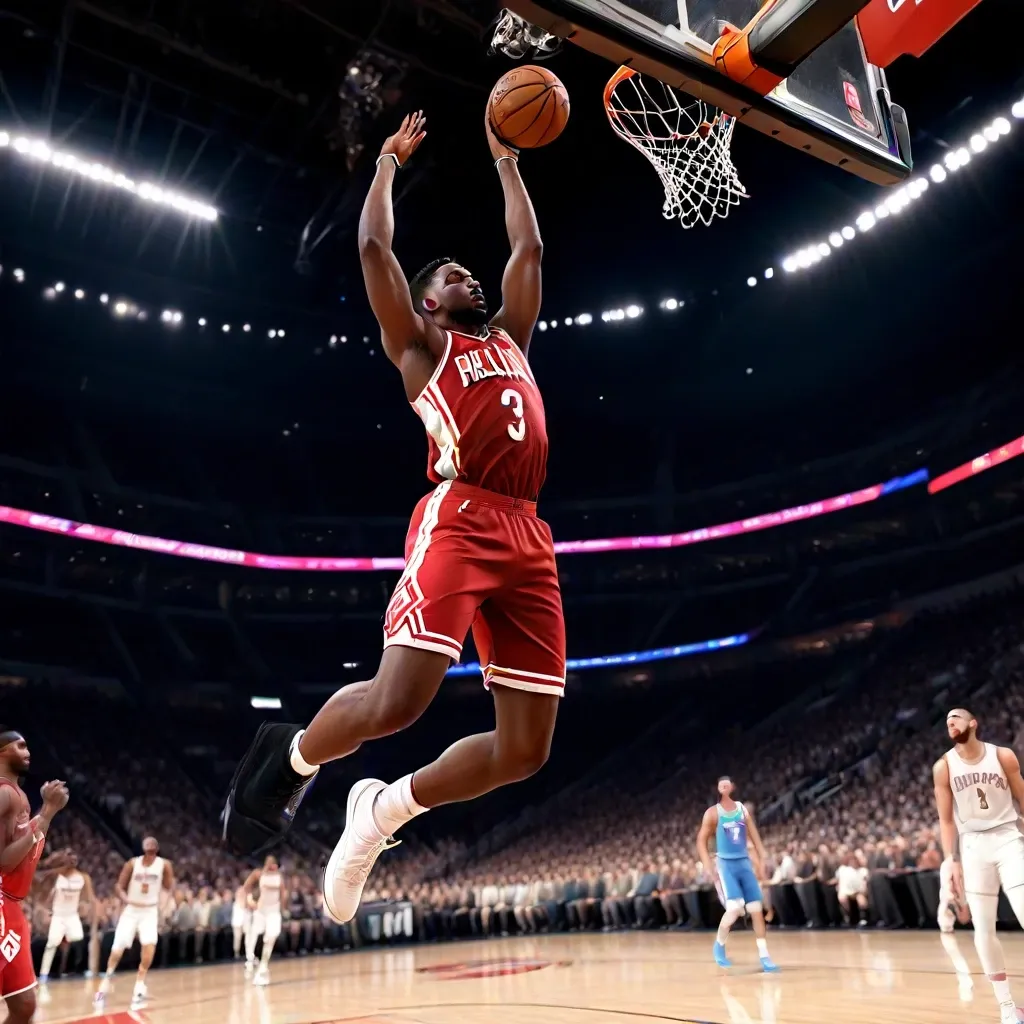
The history of dunking is a captivating journey from fundamental moves to breathtaking aerial artistry. What started as a simple way to score has evolved into a display of supreme athleticism and creative expression. From its humble beginnings to gravity-defying feats, the dunk has become an integral part of basketball’s identity, captivating audiences and inspiring generations of players to push the limits of what’s possible above the rim.
From Layups to Tomahawks: The Early Days
In the early days of basketball, dunking was far from the spectacular show it is today. It was a straightforward act, often resembling a glorified layup. Players like “Jumping” Joe Fulks were among the first to elevate the game, showcasing early versions of what we now recognize as dunks. The “Tomahawk” dunk, a powerful, one-handed slam, emerged as a dominant style. These early dunks, though simple by modern standards, ignited a spark of excitement in the crowds. What is now considered a routine play once triggered volcanic eruptions of disbelief and admiration.
The Rise of Creativity: Windmills and 360s
As basketball evolved, so did the dunk. The game began to see a surge of creativity and flair. Players like David Thompson, with his incredible leaping ability, started experimenting with more complex maneuvers. Then came Dominique Wilkins. He unleashed the “Windmill,” a whirling, ferocious dunk that became an instant sensation. Shortly after, the “360” dunk, a full rotation in mid-air before slamming the ball home, became a must. These groundbreaking dunks, once considered audacious and impossible, revolutionized the game. Each new dunk, each gravity-mocking flight, redefined what it meant to be a basketball player.
Iconic Dunks That Shook the League
Basketball is more than just scoring points; it’s about moments that electrify the crowd, defy gravity, and become etched in NBA history. Some dunks transcend the sport, becoming symbols of athleticism, audacity, and sheer dominance. They shift momentum, demoralize opponents, and leave fans breathless. This is a look back at a collection of iconic dunks that sent shockwaves through the league, forever changing how the game is perceived.
Remembering Vintage Posterizations
Before highlight reels were a nightly occurrence, there were the posterizations that legends were made of. Imagine Michael Jordan taking flight against the Detroit Pistons, elevating over multiple defenders, the image burned into basketball fans’ memory. Or Dominique Wilkins punishing the rim with a ferocious slam, each dunk a statement of power and intent. These were more than just points; they were declarations of superiority, moments where dunker met defender in a battle of wills, with only one emerging victorious. These vintage dunks weren’t just athletic achievements; they were pivotal moments in NBA history.
Modern Era Masterpieces
The modern NBA is a showcase of aerial artistry, where dunking has evolved into a performance art. In the 2020s, players continue to push the boundaries of what seems possible. Ja Morant, with his explosive drives and fearless finishes that energize crowds. The alley-oop remains a staple, but now it’s executed with mind-bending creativity and precision. What’s even more impressive is the constant innovation. Players are not only more athletic now, but they are increasingly more creative with their approach to the sport. The modern era has given the world masterpieces in aerial innovation.
The Psychological Impact of a Dominating Dunk
Dunking transcends simple athleticism; it is a powerful psychological weapon in basketball. A well-executed dunk does more than just add two points to the scoreboard; it can drastically alter player morale, swing game momentum, and instill a significant intimidation factor in opponents. The sheer force and artistry of a dunk can ignite a team’s spirit, creating a surge of confidence and determination that ripples through every player on the court. Defensively, a dominating dunk can serve as a stark reminder of an opponent’s physical prowess, leading to hesitation and potentially altering shot selection or driving lanes. Coaches often adjust strategies, either to capitalize on their team’s dunking ability or to minimize opportunities for the opposing team to take flight. The mind games at play are undeniable. A perfectly timed dunk can deflate the opposing team, causing them to question their defensive capabilities and overall ability to compete. Dunking introduces an element of spectacle that captivates the crowd and intensifies the pressure on both sides.
Momentum Shifts and Energy Infusions
The psychological aspect of a dunk can act as a significant momentum shift. The Golden State Warriors, for instance, frequently utilize highlight-reel plays to electrify both the team and the crowd. These plays often translate into defensive intensity and offensive fluidity. A timely dunk injects palpable energy into the team, fueling hustle plays, aggressive defense, and sharper offensive execution. This infusion can be particularly crucial in close games, providing the extra spark needed to pull ahead or mount a comeback.
Intimidation and Psychological Warfare
Beyond the energy boost, dunks are about intimidation and psychological warfare. Players like Shaquille O’Neal, LeBron James, and Zion Williamson are notorious for using their dunks to establish dominance. Their gravity around the rim deters opponents from attempting shots, altering their approach to the game. Such plays showcase strength and determination. These players excel not just in physical execution, but also in leveraging the psychological impact of their dunks, turning games into a battle of wills.
Building a Dunking Legacy
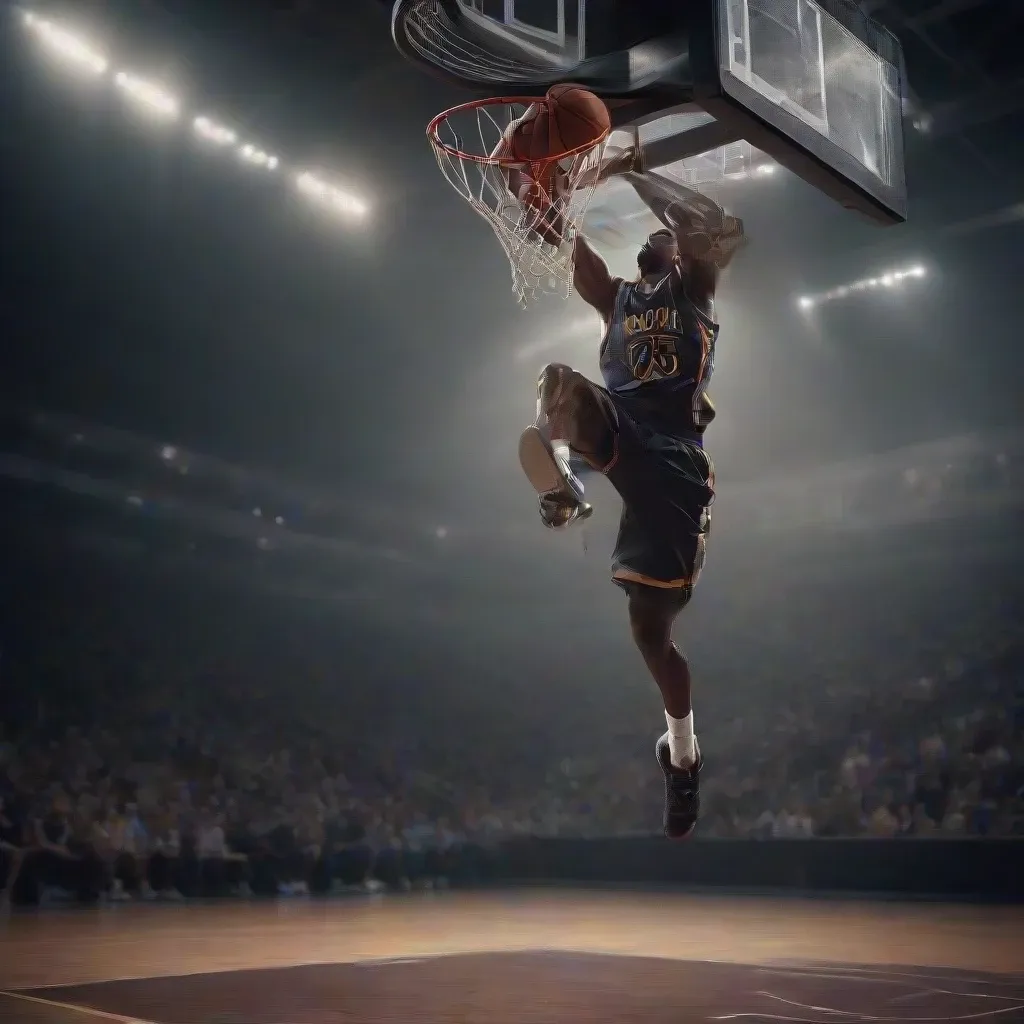
Dunking is about more than just scoring points; it’s about crafting a lasting impact, creating history with every gravity-defying move. The most memorable dunkers aren’t just athletic; they understand the art of the dunk, turning each performance into an iconic play etched in the minds of fans forever. Think of Michael Jordan’s free-throw line dunk or Vince Carter’s “Dunk of Death” – these weren’t just scores; they were statements.
Consistency and Innovation
The evolution of dunking showcases how high flyers push athletic boundaries with creative ways to dunk. The best dunkers don’t just replicate the classics; they invent new maneuvers that demand attention. They continuously evolve, adding new layers of complexity and showmanship to their repertoire. This constant pursuit of innovation, combined with the consistent execution of difficult dunks, is what separates legends from fleeting stars.
The Power of Storytelling
Marketing plays a massive role in a player’s image today, helping to build their personal brand. Players like Zion Williamson, known for his electrifying dunks, become ubiquitous on TV not just for their athleticism, but for the narratives woven around them. Every dunk becomes a chapter in their ongoing story, captivating audiences and solidifying their place in basketball culture. By mastering the art of the dunk, players have the power to craft their own legacies, creating unforgettable moments that resonate far beyond the basketball court.
Conclusion
NBA dunks are more than just high-flying feats of athleticism; they are a captivating blend of art, power, and psychological warfare played out in a gravity-defying instant. Each slam is a statement, a punctuation mark on the game, capable of shifting momentum and igniting crowds. The athleticism required is undeniable, demanding explosive power, precise coordination, and fearless determination.
From the iconic jams of Michael Jordan to the innovative acrobatics of today’s stars, the legacy of NBA dunks continues to evolve. They represent a constant push for innovation, with players endlessly seeking new ways to elevate above the rim and defy expectations. The dunk is a symbol of basketball’s enduring appeal, a thrilling spectacle that continues to leave fans in awe and solidify its place as a cornerstone of the sport’s excitement.
The fascination with NBA dunks is far from over; it’s a perpetual cycle of admiration, inspiration, and innovation that will continue to fuel the game for generations to come.